Are there bookmark managers that use AI to organize links automatically?
Yes, there are bookmark managers that use AI to organize links automatically by categorizing, tagging, and prioritizing content, but their effectiveness depends on how well they align with your workflow compared to structured bookmark systems.
How AI bookmark managers work
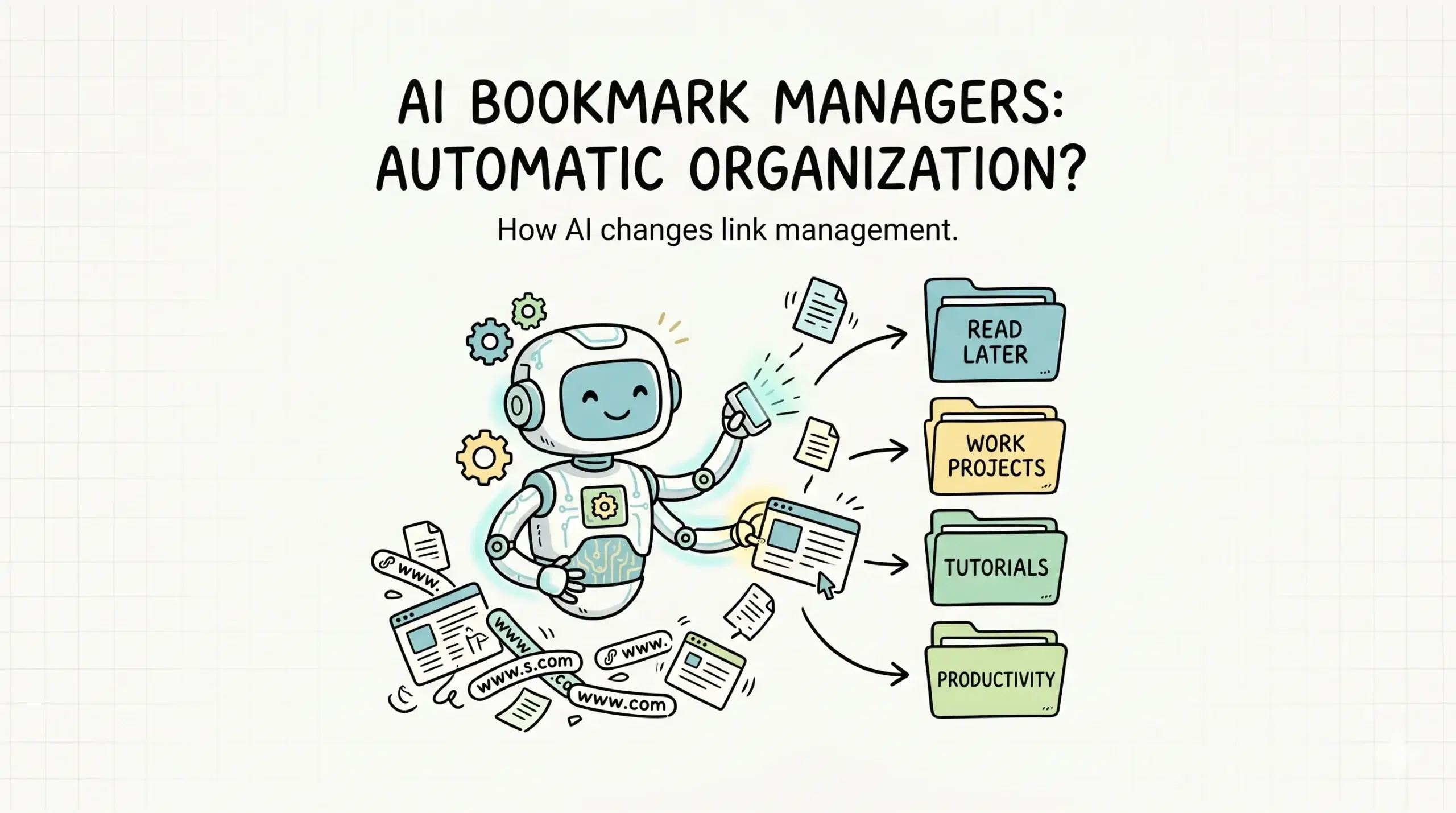
AI powered bookmark manager tools analyze page content, titles, and usage patterns to automatically group links into categories or assign tags.
- Automatic categorization based on page content
- Tag suggestions using natural language processing
- Priority ranking based on usage behavior
- Duplicate detection and cleanup
These features aim to reduce manual effort, especially for users dealing with large volumes of saved links.
A detailed comparison of better bookmark manager chrome tools shows how AI driven options compare with structured bookmark management systems in real workflows.
Where AI bookmark managers fall short
While AI automation sounds efficient, it often lacks the precision required for professional workflows.
- Categories may not match actual project structures
- Tags can be inconsistent or overly generic
- Limited control over how links are grouped
- Difficulty aligning with team or workflow systems
For project managers and developers, predictable organization often matters more than automation.
Modern machine learning systems can classify text content automatically, but accuracy depends heavily on training data and context, which can lead to inconsistent categorization in real world use.
Structured bookmark managers as a better alternative
A structured bookmark manager extension focuses on clarity, control, and consistency rather than full automation.
- Custom folder hierarchies aligned with projects
- Consistent naming for faster retrieval
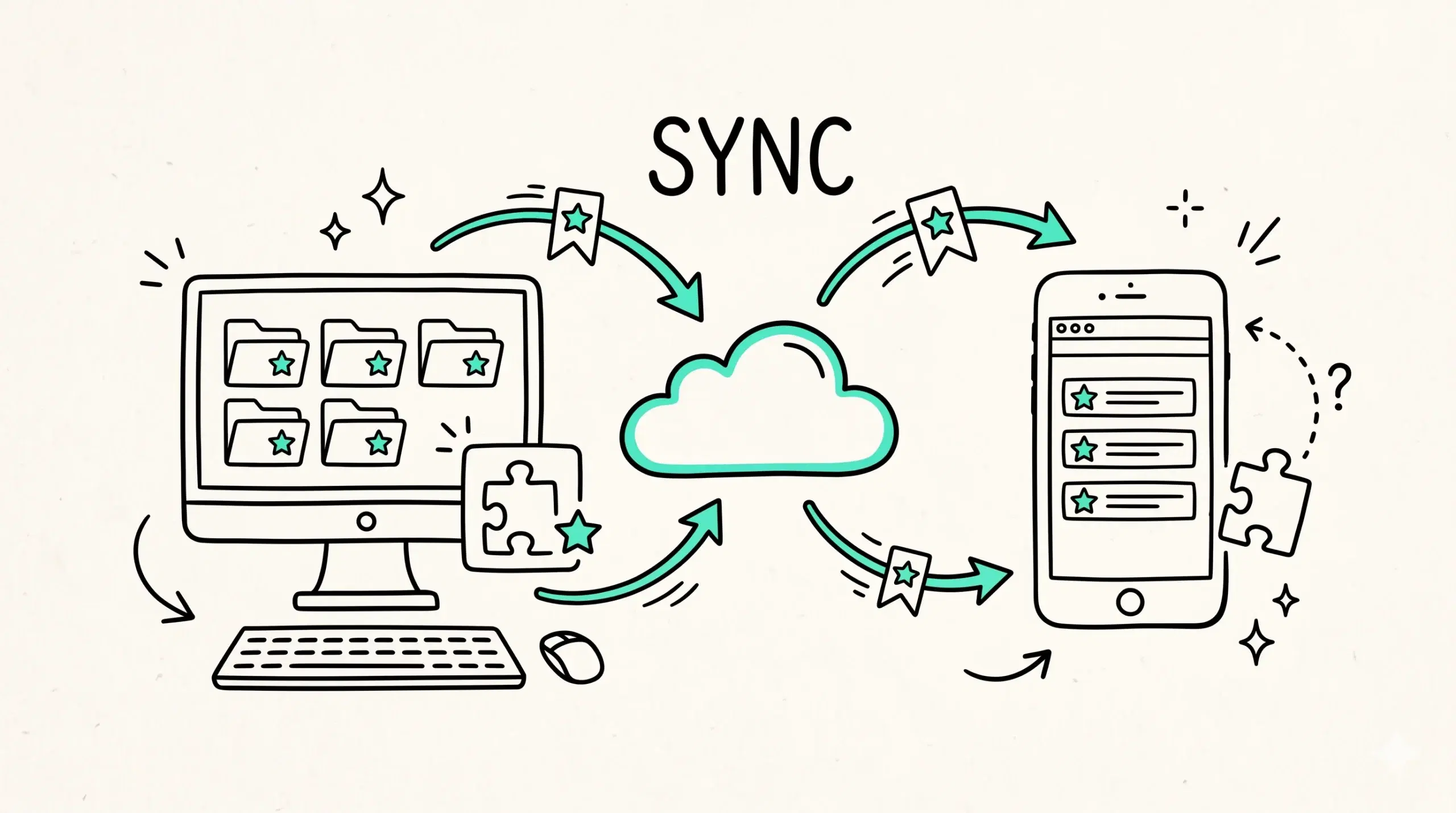
- Reliable cross device sync
- Full control over categorization
This approach creates a system that scales better over time without relying on unpredictable AI decisions.
A complete chrome bookmark manager gives users a structured environment that improves retrieval speed and workflow clarity compared to automated tagging systems.
Best approach: combine light automation with structure
The most effective setup is not fully manual or fully automated. It combines structured organization with selective automation.
- Use folders for primary organization
- Apply tags selectively where helpful
- Review and refine categories periodically
- Avoid relying entirely on automatic grouping
Example scenario
A web developer saves dozens of resources daily. An AI bookmark app groups them into broad categories, but the developer still reorganizes them into project specific folders to match active workstreams. This hybrid approach balances speed and control.
AI driven recommendation systems are widely used to personalize and organize content, but they rely on probabilistic models rather than exact user intent, which explains why manual structure remains important.
Do AI bookmark managers fully replace manual organization?
No, they assist with categorization but still require manual refinement for accurate workflows.
Are AI bookmark managers better than traditional ones?
They can save time initially, but structured bookmark managers provide more consistent long term organization.
What is the best bookmark manager for Chrome?
A structured Chrome bookmark manager extension is often the best choice for users who need reliability, control, and workflow alignment.
Build a better bookmark system
Organize your links with a structured Chrome bookmark manager that works reliably with your workflow.